Smart Parking, Evolved: Innovative Imaging System with Privacy Protection

Updated: Nov 7, 2025
To ensure privacy, the camera is equipped with a dynamic blur function that automatically applies a ghosting and fogging effect to pedestrian images.
TECH INSIGHTS | Capture Cars, Not People!
The new imaging technology provides stronger privacy protection by intelligently blurring pedestrians from view. Through backend image analysis, the system intelligently masks pedestrian images — ensuring comprehensive, zero-blind-spot privacy protection.
As smart cities and unmanned management become increasingly common, parking systems are advancing toward greater intelligence—but this progress also raises concerns over personal privacy leaks. To address these challenges, the Billing Marmot™ technical team has developed a patented vehicle image processing technology that achieves both high-precision recognition and robust privacy protection, ensuring the innovation remains secure from imitation or misuse.
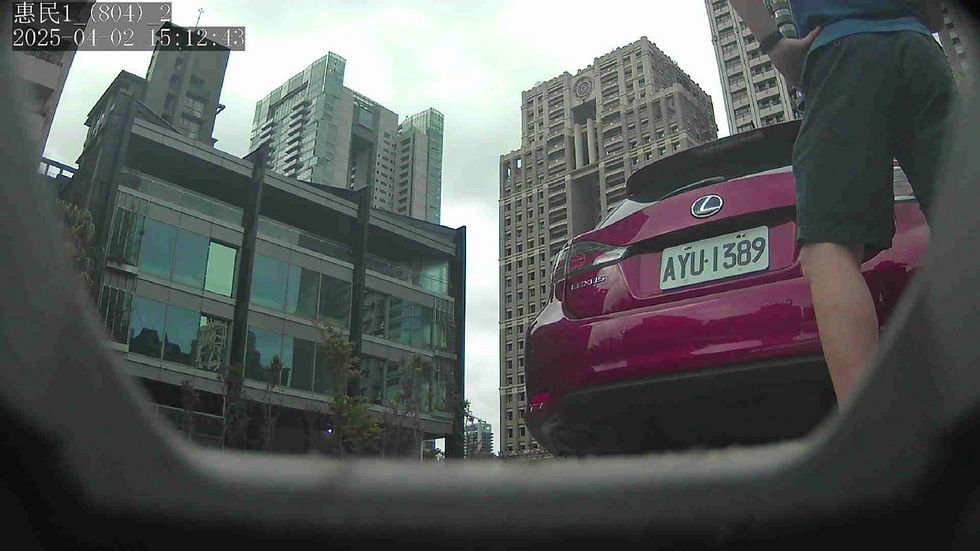
The core of this technology lies in its ability to perform real-time image recognition and analysis when a vehicle is detected within a parking space. Once the system confirms that the license plate is complete and identifiable, it automatically highlights the license plate area, while applying blur (mosaic) effects to all non-plate regions in the image.
Notably, this blurring process does not compromise essential information — details such as the vehicle’s make, model, and color are preserved in the image, ensuring it remains useful for purposes such as fee verification and violation evidence collection.
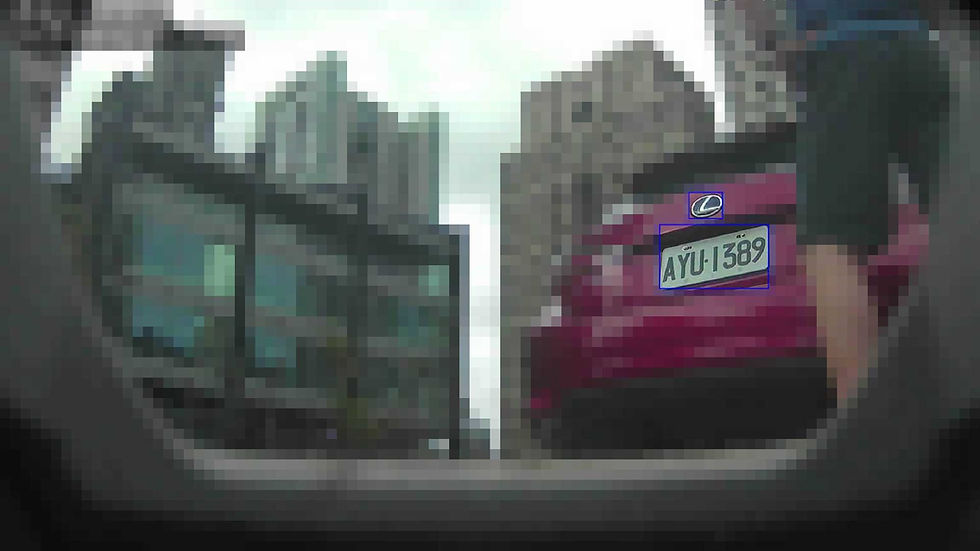
The system is thoughtfully designed to account for real-world scenarios where pedestrians may occasionally appear in the camera’s field of view — potentially triggering privacy concerns due to clothing, behavior, or other factors. To address this, the algorithm automatically masks non-essential visual content, effectively reducing the risk of privacy breaches. The technical team emphasized that the system was developed with careful consideration of privacy regulations and public expectations, and a patent has been filed for its core technology — demonstrating both its technical maturity and innovative value.

It is worth noting that the system can be configured to automatically delete captured images if both a complete license plate and a full vehicle brand logo are not detected. This approach helps reduce computational load and conserve storage space by skipping unnecessary processing.
In the future, this technology is expected to be applied in areas such as urban parking management, intelligent transportation systems, and lane monitoring. By introducing a greater sense of humanity and responsibility into image recognition, it paves the way for a safer and more trustworthy smart living environment.。
Comments